

March brings a trio of celestial treats — a dramatic Blood Moon, a close planetary pairing, and the official arrival of a new season.
Sky Highlights for March
- March 3: Total Lunar Eclipse
- March 8: Venus and Saturn Conjunction
- March 20: Vernal Equinox
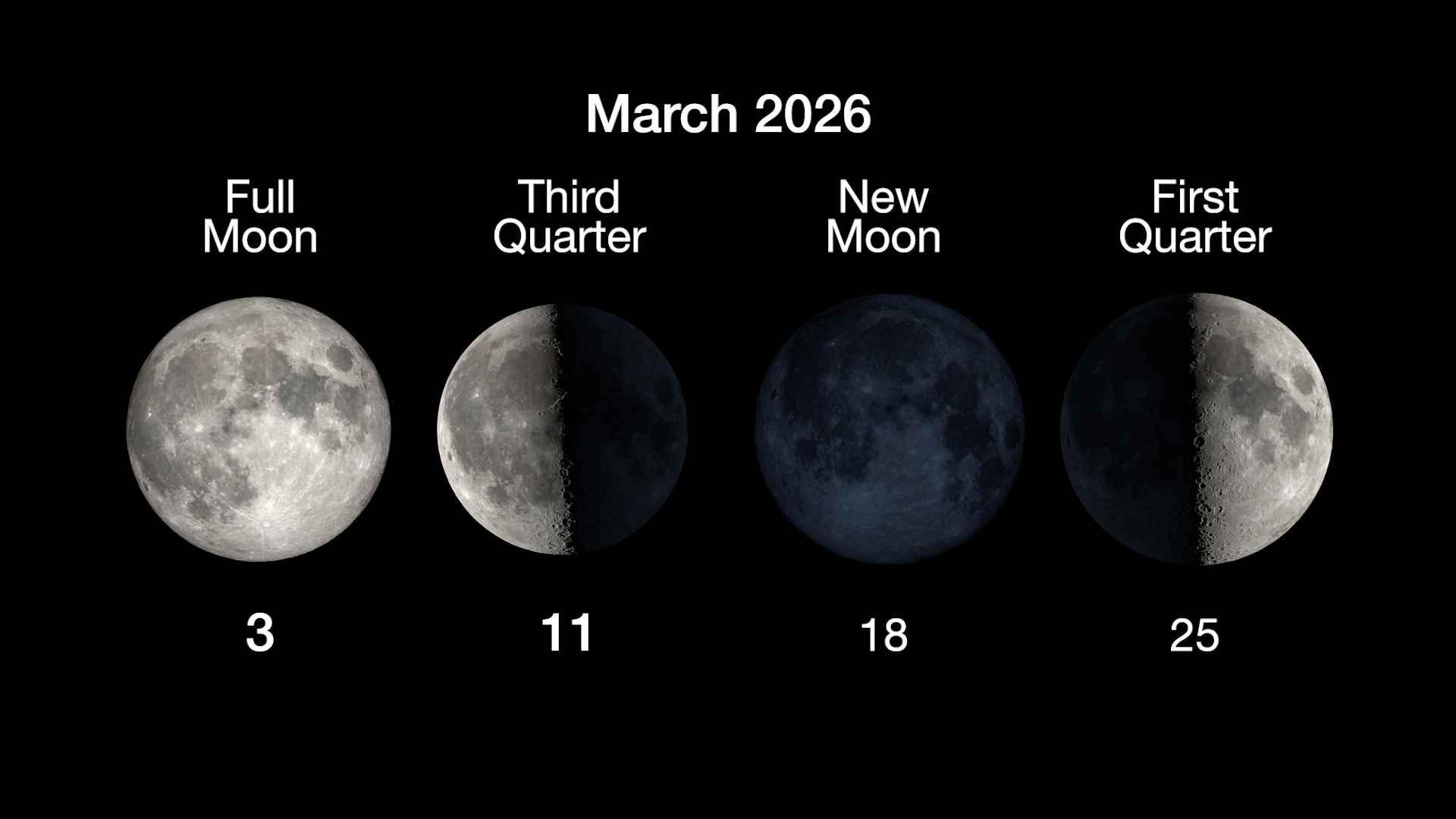
The month begins with a stunning total lunar eclipse on March 3. During this event, Earth moves directly between the Sun and the full Moon, casting its shadow across the lunar surface. When the alignment is exact, the Moon slips completely into Earth’s darkest shadow, known as the umbra.
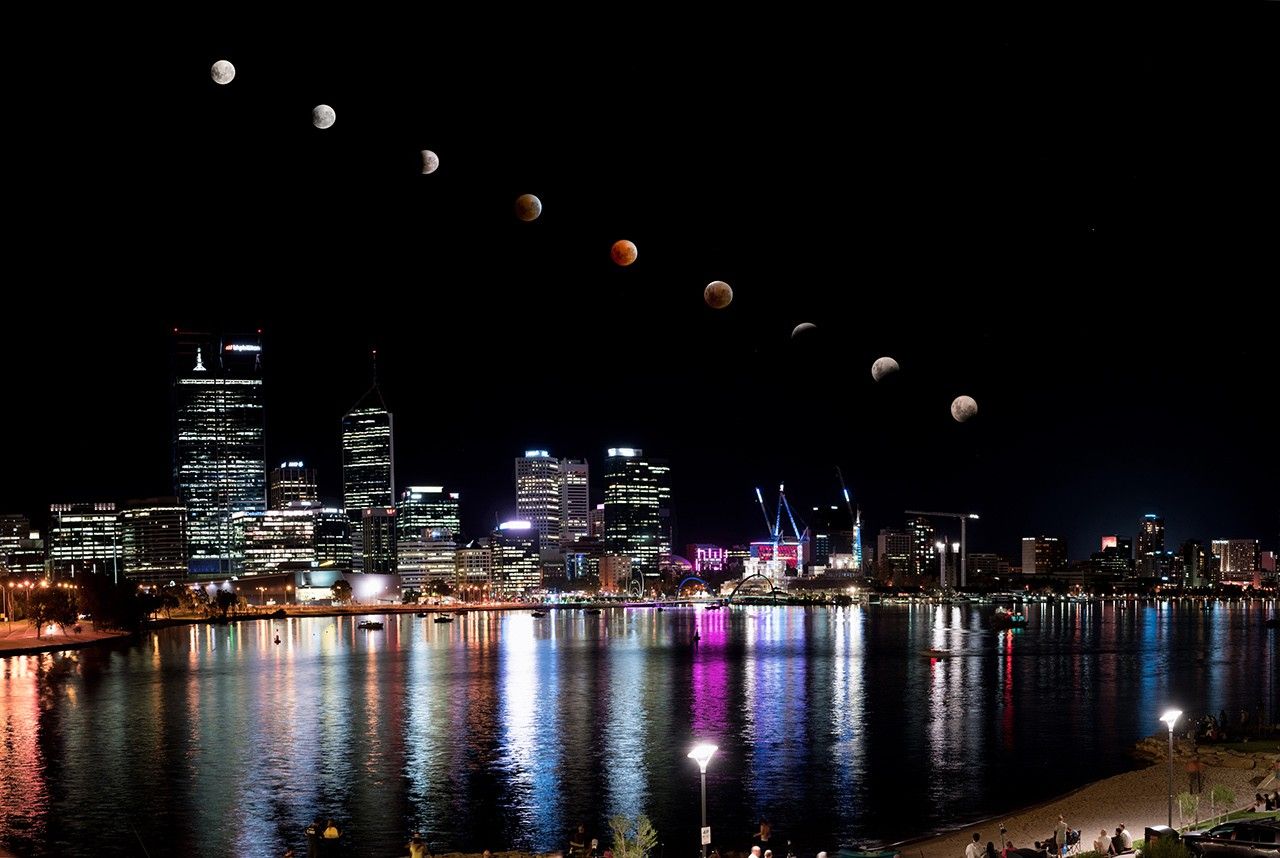
Instead of vanishing into darkness, however, the Moon glows a deep red. This “Blood Moon” effect happens because Earth’s atmosphere bends and filters sunlight, allowing only reddish tones to reach the Moon.
Skywatchers in eastern Asia and Australia will see the eclipse in the evening. Observers across the Pacific can catch it overnight, while much of North and Central America — along with western South America — will view it in the early morning hours.
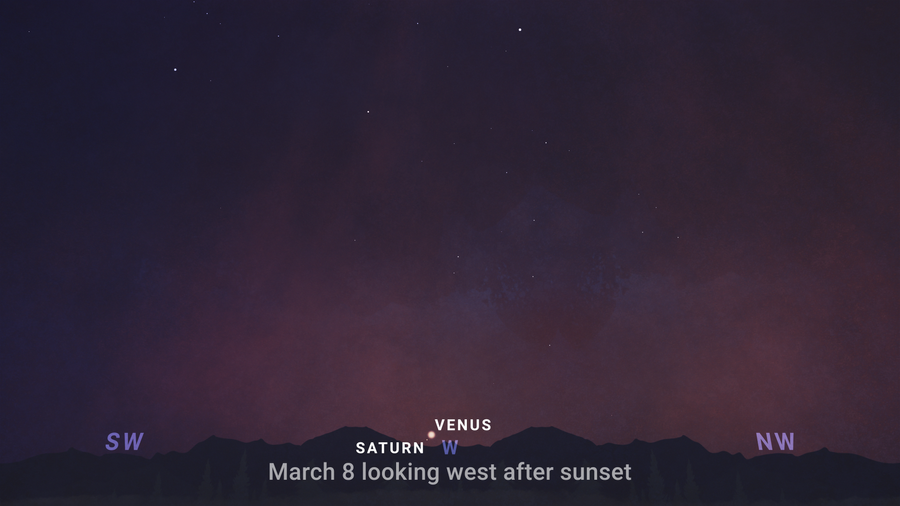
A few days later, on March 8, Venus and Saturn will appear side by side in the evening sky. The two planets will sit just about one degree apart — roughly the width of a fingertip held at arm’s length. Though they look close together, they’re actually separated by nearly a billion miles in space. This visual meeting is known as a conjunction.

Look toward the western horizon just after sunset to spot the bright pair.
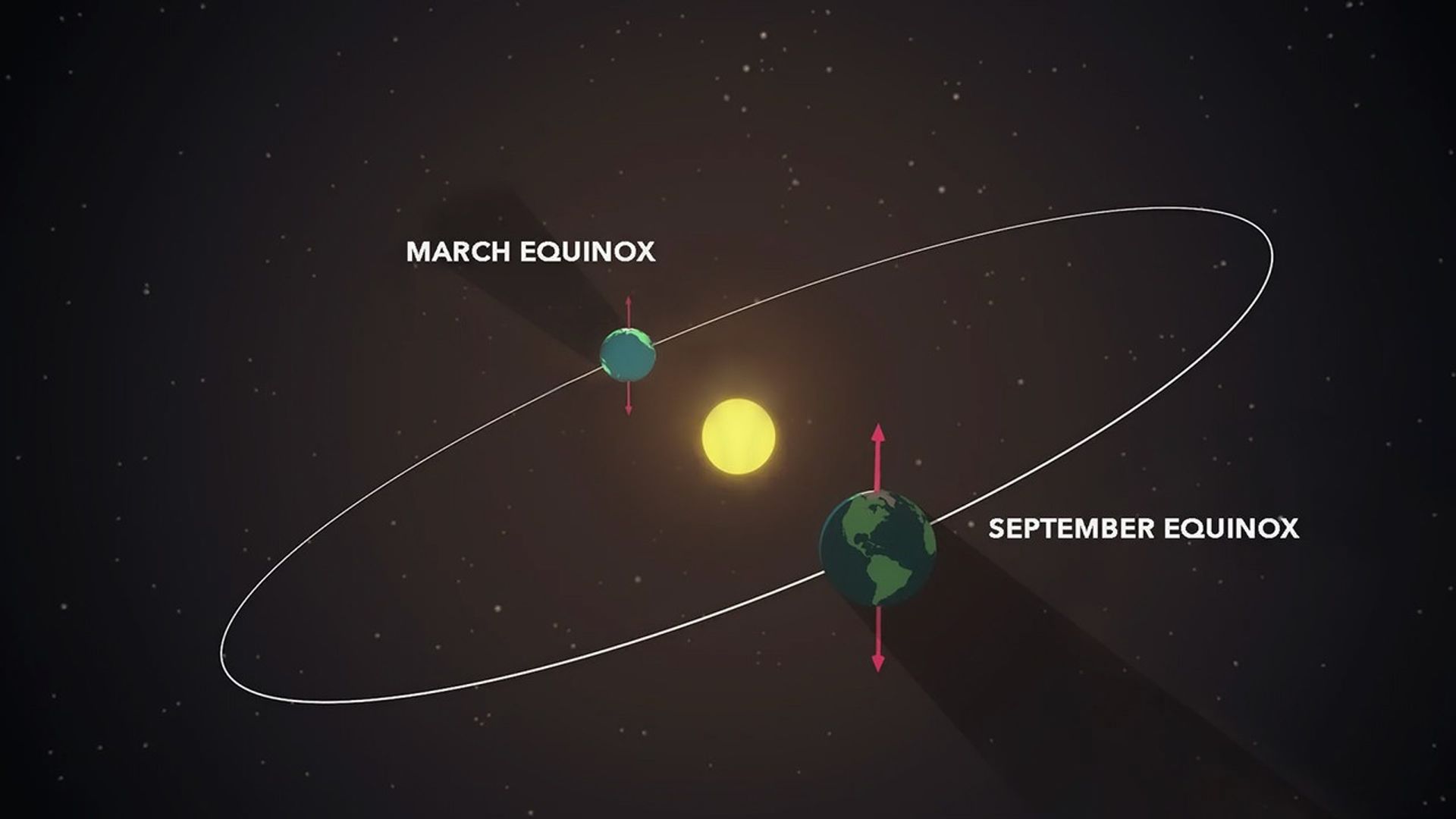
Then, on March 20, we reach the vernal equinox — the moment the Sun crosses Earth’s equator heading north. This marks the beginning of spring in the Northern Hemisphere and autumn in the Southern Hemisphere. On this day, daylight and nighttime are nearly equal across the globe, each lasting about 12 hours.

It’s a moment of balance — a turning point that signals longer days ahead in the north and a seasonal shift worldwide.
March offers skywatchers a vivid eclipse, a planetary rendezvous, and the steady rhythm of the seasons changing overhead.